| Stay Healthy and Lose Weight during the Holidays | |
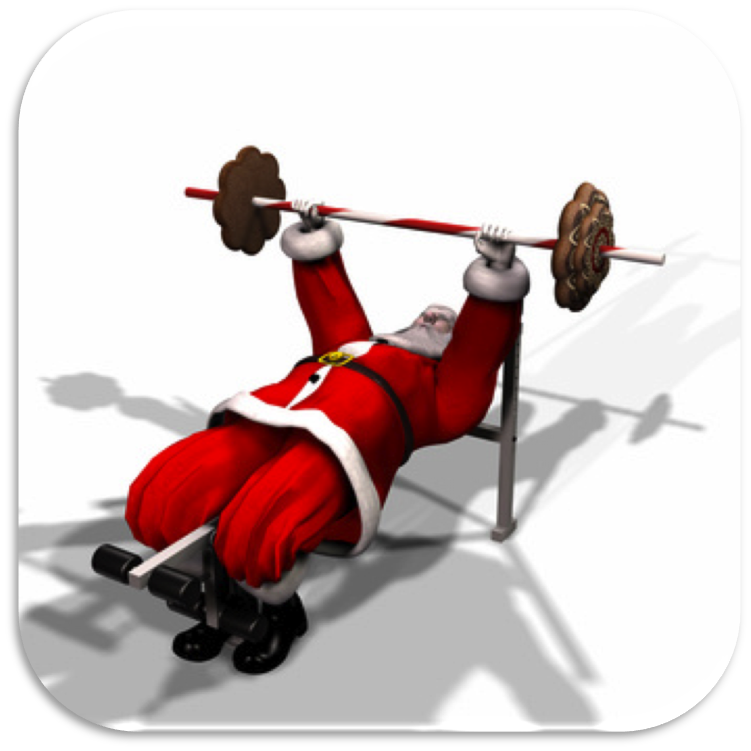 The holidays are a great time to celebrate with family and friends but they are also associated with an abundance of food and a decrease in physical activity. This can cause weight gain, which can cause aches and pains. The holidays are a great time to celebrate with family and friends but they are also associated with an abundance of food and a decrease in physical activity. This can cause weight gain, which can cause aches and pains.With these 10 simple tips, you'll be able to stay healthy (and possibly shed unwanted pounds) this holiday season:
| |
| Holiday Food Consumption Guide 101 | |
Here are some tips that will help you stay on track with your healthy eating lifestyle: | |
| How Physical Therapy Can Help This Holiday Season | |
 Physical activity is extremely important at this time of the year, given the inevitable increase in calorie intake during the holidays. Physical activity is extremely important at this time of the year, given the inevitable increase in calorie intake during the holidays.Diet is just one part of the equation, which is why physical therapy is so important. Physical therapy can play a valuable role in helping you stay healthy and pain free this holiday season. It's a good idea to schedule an appointment with your physical therapist to learn a safe, effective exercise program to maintain optimum muscle strength and flexibility. When you combine discipline in your diet with a personalized exercise program, the holidays can become a time of great rejuvenation. Physical therapy can help relieve aches and pains with a combination of exercise and (possibly) massage. Massage can help relieve tight muscles and boost blood circulation. Give us a call right away and we'll work with you to make this a healthy, happy, and safe holiday season. Our highly skilled, licensed physical therapists have been specially trained to help you enjoy the holiday season with a structured exercise and massage therapy program. Come to our clinic and enjoy a professional and relaxing environment. Let us help you make this a healthy holiday season. | |

Health tips from Assured Comprehensive Rehab. A leading provider of outpatient physical therapy and pulmonary rehab in Plano, Texas.
Tuesday, December 6, 2011
Stay Healthy and Lose Weight during the Holidays
 If you are trying to lose weight, the holidays can be a challenging time.
Wednesday, November 16, 2011
Tips To Avoid Injury During Fall and Winter Activities
| Tips To Avoid Injury During Fall and Winter Activities | |
With fall and winter come the seasonal chores we're all accustomed to; however, there is also an increase in the number of injuries associated with raking and shoveling as the weather changes. The good news is that most of these injuries are easily preventable. These tips will help you remain injury free during fall and winter: These tips will help you remain injury free during fall and winter:
| |
| Winter Arrives - Injuries Increase | |
 Some of the most popular winter activities such as snowboarding, sledding, skating, and skiing are performed in harsh weather conditions. These harsh conditions are associated with an increase in the incidence of injuries. Some of the most popular winter activities such as snowboarding, sledding, skating, and skiing are performed in harsh weather conditions. These harsh conditions are associated with an increase in the incidence of injuries.If you are going to participate in such activities, please take the time to research your surroundings and arrange for protective gear for yourself and your family. Helmets should always be worn when playing hockey, skiing, ice skating, sledding, and snowboarding. As always, don't forget the importance of a warm up and cool down. If you are a beginner, don't venture out without a coach or an instructor who can supervise you and teach you how to be responsible for your own safety. | |
| Time For a Safe and Injury Free Fall Cleanup | |
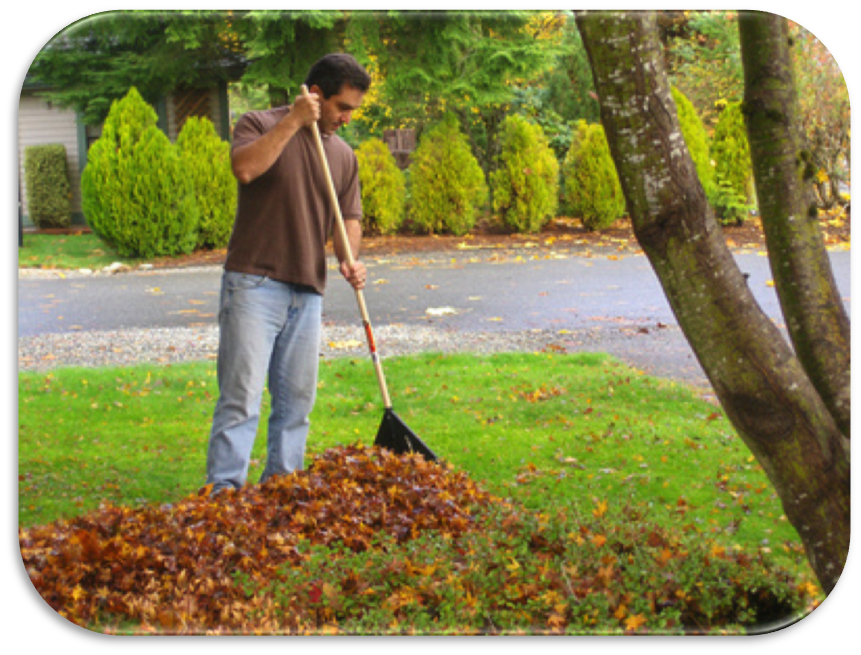 Believe it or not, something as simple as raking leaves can cause intense neck and back pain. Please remember to ease yourself into fall activities to minimize your risk of injury. Believe it or not, something as simple as raking leaves can cause intense neck and back pain. Please remember to ease yourself into fall activities to minimize your risk of injury.Most fall and winter cleanup activities involve a lot of bending and twisting at the spine, which is unnecessary. It's best to contact us right away, so you can: 1) Get a 'body tune-up'. Your physical therapist can help you with a complete evaluation to diagnose and identify any muscle imbalances that could predispose you to injury as we head closer to the holiday season. 2) Learn the best way to warm up and stretch before any activity. 3) Learn the correct lifting technique (something we can teach you) 4) Strengthen the muscles in your core. We look forward to working with you and getting your body ready for the fall and winter. We want you to enjoy a safe and healthy holiday season coming up, and the best way to start preparing for it is with a preventive exercise program that we can design specifically for you. We will only help prevent an injury but also help you look and feel your best during the holidays! | |
Monday, October 31, 2011
What is Pelvic Floor Strengthening?
| Pelvic Floor Strengthening 101 | |
 Have you heard of the pelvic floor? The pelvic floor includes a group of muscles and ligaments that form a "floor like" structure that supports key organs. These include the bladder and bowels (and uterus for women). A strong pelvic floor is important for preventing issues like urinary incontinence for men and women (the involuntary loss of control of urine) and pelvic organ prolapse.Pelvic organ prolapse occurs when the muscles and tissues supporting the organs (i.e. the pelvic floor) weaken. This can be caused by various issues including childbirth, aging, chronic cough, hormonal changes such as menopause, excessive straining due to constipation, constant lifting of heavy objects, obesity and pregnancy. How To Strengthen Your Pelvic Floor Muscles All men and women should regularly exercise the pelvic floor muscles. It is highly recommended that women do pelvic floor exercises daily to prevent weakness and, if needed, to improve the strength of the pelvic floor muscles. As with any muscle, consistently performing the right exercises always helps. Gentle exercises (like walking regularly) can also help strengthen the pelvic floor muscles. | |
| Identifying and Engaging The Right Muscles | |
 Step one = Identify the right muscles In order to identify where your pelvic floor muscles are, you want to tighten your muscles in that area. Identifying the muscles correctly is the first step towards muscle engagement and increased control. Step two = Learn to engage (contract) the pelvic floor muscles properly Contracting the muscles is not difficult, but you want to be sure you are doing it correctly. Begin by contracting the muscle upward and inward. The best way to think about this is - imagine you are going to the bathroom. You want to stop yourself midway (or midstream) by actively contracting your pelvic floor muscles. Step three = Pace yourself You need to train your pelvic floor muscles just as you would any other muscle group, through repetition. If you have any questions, please get in touch with one of our skilled physical therapists at Assured Comprehensive Rehab and we will be happy to steer you in the right direction. | |
| Kegels For Pelvic Pain | |
 Anyone who’s ever experienced pelvic pain or pelvic organ prolapse will tell you it's a frustrating and painful ordeal. Anyone who’s ever experienced pelvic pain or pelvic organ prolapse will tell you it's a frustrating and painful ordeal.If you or a loved one suspect pelvic floor dysfunction, call your doctor for an immediate check-up. If your doctor recommends "shaping up" of the pelvic floor muscles, you might want to consider "Kegel Exercises" (most women have heard of Kegels). Experts agree that Kegel exercises are the most effective way to tone and strengthen the pelvic floor muscles. According to several studies, women after the age of 35 lose approximately 5% of their body’s muscle mass every 10 years. This loss of muscle mass affects every aspect of a woman’s body, including the pelvic region. So how can physical therapy help women (and men) tone and strengthen muscles, especially in the pelvic area? Physical therapists can design a full pelvic workout, including exercises called "Pelvic Clocks" and "Kegels" to strengthen the muscles in the pelvic region. To find out how you can benefit from these and other exercises, call our office today to schedule an appointment. Let us help you regain control of your pelvic floor muscles. Don't wait until you suffer the symptoms of pelvic floor weakness to take action. Call us Assured Comprehensive Rehab in Plano, TX today and take preventive measures. Note: Please do not start any exercise routine without the consent of your physician. | |
Wednesday, October 19, 2011
The Real Benefits of Core Strengthening
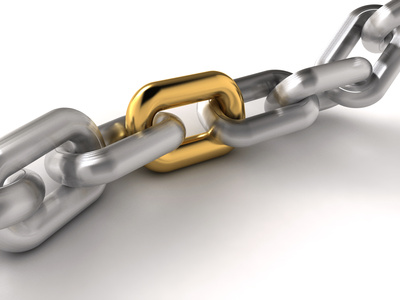
No matter what activity you participate in, your "core" is the center of all muscle activity. Your core is much like the middle link to a thick, sturdy chain. The upper part of the chain is your upper body; the bottom part of the chain is your lower body and the two are connected at the center. A stronger core will not only give you a stronger foundation for your upper and lower body, it will also enhance your stability and balance.
 Everything you do, whether you know it or not, uses your body’s core. Let’s take a look… Recreational activities and sports - Every single sport (football, baseball, tennis, golf and even skiing), depends on your body’s core for strength and stability. Everyday movements - Simple movements like getting in/out of bed or emptying the dishwasher require the use of your core muscles. Work/job tasks - Any job you perform relies on the core muscles for stability. There are some jobs (especially ones that involve repetitive lifting) that depend on core strength and stability more than others. Balance and stability - Since your core is truly the "center" of your body and supports your body’s upper and lower extremities and spine, it is used in every single functional task you perform. A healthy back - Back pain can be excruciating and tends to limit many of your activities. It is estimated that 4 out of 5 people will experience back pain at some point in life. Strengthening the core muscles is the "secret ingredient" to keeping your back healthy. Gardening and housework - Daily tasks like vacuuming, mopping a floor and making a bed all utilize the strength of your core. Posture - Having a weak core can lead to poor posture, which in turn contributes to back pain. You can see from the small list above that the core muscles play a vital role in keeping you strong and injury free. | |
| Strong To The Core | |
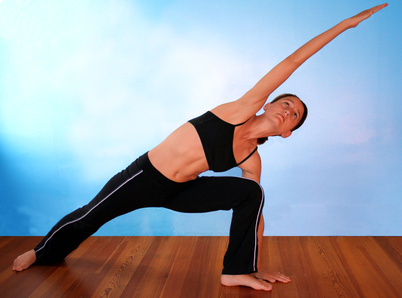 The benefits of a strong core include:
| |
| Physical Therapy For Your Core | |
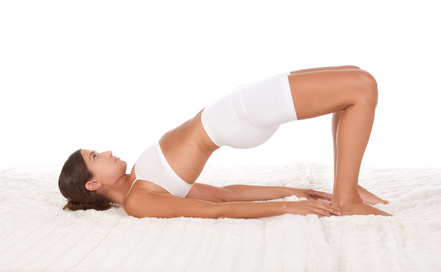 It is not as hard to build core strength and stabilization as you may think. You don't need any specialized equipment to target the core muscles. All you need is a good physical therapist. Your physical therapist will be able to not only create an exercise routine specifically for you, but will also be able to monitor your progress. Our staff is highly trained in identifying muscle imbalances and weaknesses. This information is used to craft an individualized program based on your preferences, needs and goals. Call us today to see how we can make your daily activities easier by facilitating the strength of your core muscles. We look forward to showing you what physical therapy can do for your core. | |
Tuesday, October 4, 2011
Interval Training Can Boost Muscle Activation
What is interval training? Interval training is a type of exercise training in which you alternate between various intensities of exercise in a single session; switching back and forth between a high intensity phase and a low intensity phase. An example of this is an exercise session in which an intense phase of exercise like weight training is alternated with a period of walking on the treadmill. The idea is to challenge muscles in an unpredictable manner and keep the body "guessing" about what's coming next. Mixing up different components of your exercise routine (intensity, duration, frequency and type of muscles recruited) boosts the mind-muscle connection. To find out more about how physical therapy can help you reach your goals, increase strength and reduce pain, get in touch with one of our highly qualified physical therapists. Get the most out of your therapeutic exercise program. We’re here to help you become stronger. Schedule an appointment by calling Assured Comprehensive Rehab today at 972-818-3888! We look forward to helping you enhance the mind-muscle connection. |
Friday, September 30, 2011
"I would just like to tell those of you who may be looking for a physical therapy provider in Plano or North Dallas, you need look no more"

Schedule an appointment today!
Subscribe to:
Posts (Atom)