| Stay Healthy and Lose Weight during the Holidays | |
 The holidays are a great time to celebrate with family and friends but they are also associated with an abundance of food and a decrease in physical activity. This can cause weight gain, which can cause aches and pains. The holidays are a great time to celebrate with family and friends but they are also associated with an abundance of food and a decrease in physical activity. This can cause weight gain, which can cause aches and pains.With these 10 simple tips, you'll be able to stay healthy (and possibly shed unwanted pounds) this holiday season:
| |
| Holiday Food Consumption Guide 101 | |
Here are some tips that will help you stay on track with your healthy eating lifestyle: | |
| How Physical Therapy Can Help This Holiday Season | |
 Physical activity is extremely important at this time of the year, given the inevitable increase in calorie intake during the holidays. Physical activity is extremely important at this time of the year, given the inevitable increase in calorie intake during the holidays.Diet is just one part of the equation, which is why physical therapy is so important. Physical therapy can play a valuable role in helping you stay healthy and pain free this holiday season. It's a good idea to schedule an appointment with your physical therapist to learn a safe, effective exercise program to maintain optimum muscle strength and flexibility. When you combine discipline in your diet with a personalized exercise program, the holidays can become a time of great rejuvenation. Physical therapy can help relieve aches and pains with a combination of exercise and (possibly) massage. Massage can help relieve tight muscles and boost blood circulation. Give us a call right away and we'll work with you to make this a healthy, happy, and safe holiday season. Our highly skilled, licensed physical therapists have been specially trained to help you enjoy the holiday season with a structured exercise and massage therapy program. Come to our clinic and enjoy a professional and relaxing environment. Let us help you make this a healthy holiday season. | |

Health tips from Assured Comprehensive Rehab. A leading provider of outpatient physical therapy and pulmonary rehab in Plano, Texas.
Tuesday, December 6, 2011
Stay Healthy and Lose Weight during the Holidays
 If you are trying to lose weight, the holidays can be a challenging time.
Wednesday, November 16, 2011
Tips To Avoid Injury During Fall and Winter Activities
| Tips To Avoid Injury During Fall and Winter Activities | |
With fall and winter come the seasonal chores we're all accustomed to; however, there is also an increase in the number of injuries associated with raking and shoveling as the weather changes. The good news is that most of these injuries are easily preventable. These tips will help you remain injury free during fall and winter: These tips will help you remain injury free during fall and winter:
| |
| Winter Arrives - Injuries Increase | |
 Some of the most popular winter activities such as snowboarding, sledding, skating, and skiing are performed in harsh weather conditions. These harsh conditions are associated with an increase in the incidence of injuries. Some of the most popular winter activities such as snowboarding, sledding, skating, and skiing are performed in harsh weather conditions. These harsh conditions are associated with an increase in the incidence of injuries.If you are going to participate in such activities, please take the time to research your surroundings and arrange for protective gear for yourself and your family. Helmets should always be worn when playing hockey, skiing, ice skating, sledding, and snowboarding. As always, don't forget the importance of a warm up and cool down. If you are a beginner, don't venture out without a coach or an instructor who can supervise you and teach you how to be responsible for your own safety. | |
| Time For a Safe and Injury Free Fall Cleanup | |
 Believe it or not, something as simple as raking leaves can cause intense neck and back pain. Please remember to ease yourself into fall activities to minimize your risk of injury. Believe it or not, something as simple as raking leaves can cause intense neck and back pain. Please remember to ease yourself into fall activities to minimize your risk of injury.Most fall and winter cleanup activities involve a lot of bending and twisting at the spine, which is unnecessary. It's best to contact us right away, so you can: 1) Get a 'body tune-up'. Your physical therapist can help you with a complete evaluation to diagnose and identify any muscle imbalances that could predispose you to injury as we head closer to the holiday season. 2) Learn the best way to warm up and stretch before any activity. 3) Learn the correct lifting technique (something we can teach you) 4) Strengthen the muscles in your core. We look forward to working with you and getting your body ready for the fall and winter. We want you to enjoy a safe and healthy holiday season coming up, and the best way to start preparing for it is with a preventive exercise program that we can design specifically for you. We will only help prevent an injury but also help you look and feel your best during the holidays! | |
Monday, October 31, 2011
What is Pelvic Floor Strengthening?
| Pelvic Floor Strengthening 101 | |
 Have you heard of the pelvic floor? The pelvic floor includes a group of muscles and ligaments that form a "floor like" structure that supports key organs. These include the bladder and bowels (and uterus for women). A strong pelvic floor is important for preventing issues like urinary incontinence for men and women (the involuntary loss of control of urine) and pelvic organ prolapse.Pelvic organ prolapse occurs when the muscles and tissues supporting the organs (i.e. the pelvic floor) weaken. This can be caused by various issues including childbirth, aging, chronic cough, hormonal changes such as menopause, excessive straining due to constipation, constant lifting of heavy objects, obesity and pregnancy. How To Strengthen Your Pelvic Floor Muscles All men and women should regularly exercise the pelvic floor muscles. It is highly recommended that women do pelvic floor exercises daily to prevent weakness and, if needed, to improve the strength of the pelvic floor muscles. As with any muscle, consistently performing the right exercises always helps. Gentle exercises (like walking regularly) can also help strengthen the pelvic floor muscles. | |
| Identifying and Engaging The Right Muscles | |
 Step one = Identify the right muscles In order to identify where your pelvic floor muscles are, you want to tighten your muscles in that area. Identifying the muscles correctly is the first step towards muscle engagement and increased control. Step two = Learn to engage (contract) the pelvic floor muscles properly Contracting the muscles is not difficult, but you want to be sure you are doing it correctly. Begin by contracting the muscle upward and inward. The best way to think about this is - imagine you are going to the bathroom. You want to stop yourself midway (or midstream) by actively contracting your pelvic floor muscles. Step three = Pace yourself You need to train your pelvic floor muscles just as you would any other muscle group, through repetition. If you have any questions, please get in touch with one of our skilled physical therapists at Assured Comprehensive Rehab and we will be happy to steer you in the right direction. | |
| Kegels For Pelvic Pain | |
 Anyone who’s ever experienced pelvic pain or pelvic organ prolapse will tell you it's a frustrating and painful ordeal. Anyone who’s ever experienced pelvic pain or pelvic organ prolapse will tell you it's a frustrating and painful ordeal.If you or a loved one suspect pelvic floor dysfunction, call your doctor for an immediate check-up. If your doctor recommends "shaping up" of the pelvic floor muscles, you might want to consider "Kegel Exercises" (most women have heard of Kegels). Experts agree that Kegel exercises are the most effective way to tone and strengthen the pelvic floor muscles. According to several studies, women after the age of 35 lose approximately 5% of their body’s muscle mass every 10 years. This loss of muscle mass affects every aspect of a woman’s body, including the pelvic region. So how can physical therapy help women (and men) tone and strengthen muscles, especially in the pelvic area? Physical therapists can design a full pelvic workout, including exercises called "Pelvic Clocks" and "Kegels" to strengthen the muscles in the pelvic region. To find out how you can benefit from these and other exercises, call our office today to schedule an appointment. Let us help you regain control of your pelvic floor muscles. Don't wait until you suffer the symptoms of pelvic floor weakness to take action. Call us Assured Comprehensive Rehab in Plano, TX today and take preventive measures. Note: Please do not start any exercise routine without the consent of your physician. | |
Wednesday, October 19, 2011
The Real Benefits of Core Strengthening
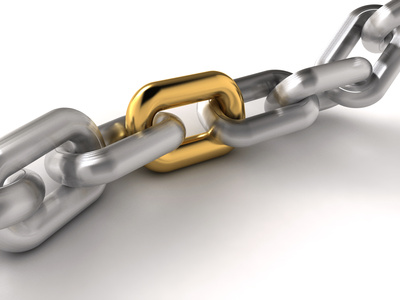
No matter what activity you participate in, your "core" is the center of all muscle activity. Your core is much like the middle link to a thick, sturdy chain. The upper part of the chain is your upper body; the bottom part of the chain is your lower body and the two are connected at the center. A stronger core will not only give you a stronger foundation for your upper and lower body, it will also enhance your stability and balance.
 Everything you do, whether you know it or not, uses your body’s core. Let’s take a look… Recreational activities and sports - Every single sport (football, baseball, tennis, golf and even skiing), depends on your body’s core for strength and stability. Everyday movements - Simple movements like getting in/out of bed or emptying the dishwasher require the use of your core muscles. Work/job tasks - Any job you perform relies on the core muscles for stability. There are some jobs (especially ones that involve repetitive lifting) that depend on core strength and stability more than others. Balance and stability - Since your core is truly the "center" of your body and supports your body’s upper and lower extremities and spine, it is used in every single functional task you perform. A healthy back - Back pain can be excruciating and tends to limit many of your activities. It is estimated that 4 out of 5 people will experience back pain at some point in life. Strengthening the core muscles is the "secret ingredient" to keeping your back healthy. Gardening and housework - Daily tasks like vacuuming, mopping a floor and making a bed all utilize the strength of your core. Posture - Having a weak core can lead to poor posture, which in turn contributes to back pain. You can see from the small list above that the core muscles play a vital role in keeping you strong and injury free. | |
| Strong To The Core | |
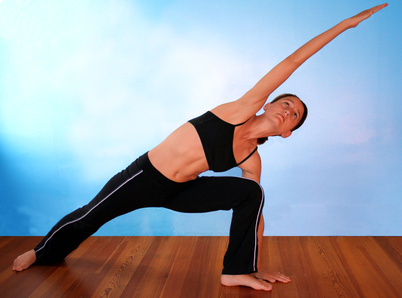 The benefits of a strong core include:
| |
| Physical Therapy For Your Core | |
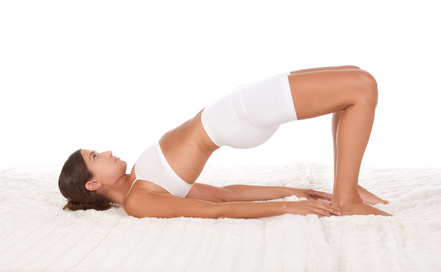 It is not as hard to build core strength and stabilization as you may think. You don't need any specialized equipment to target the core muscles. All you need is a good physical therapist. Your physical therapist will be able to not only create an exercise routine specifically for you, but will also be able to monitor your progress. Our staff is highly trained in identifying muscle imbalances and weaknesses. This information is used to craft an individualized program based on your preferences, needs and goals. Call us today to see how we can make your daily activities easier by facilitating the strength of your core muscles. We look forward to showing you what physical therapy can do for your core. | |
Tuesday, October 4, 2011
Interval Training Can Boost Muscle Activation
What is interval training? Interval training is a type of exercise training in which you alternate between various intensities of exercise in a single session; switching back and forth between a high intensity phase and a low intensity phase. An example of this is an exercise session in which an intense phase of exercise like weight training is alternated with a period of walking on the treadmill. The idea is to challenge muscles in an unpredictable manner and keep the body "guessing" about what's coming next. Mixing up different components of your exercise routine (intensity, duration, frequency and type of muscles recruited) boosts the mind-muscle connection. To find out more about how physical therapy can help you reach your goals, increase strength and reduce pain, get in touch with one of our highly qualified physical therapists. Get the most out of your therapeutic exercise program. We’re here to help you become stronger. Schedule an appointment by calling Assured Comprehensive Rehab today at 972-818-3888! We look forward to helping you enhance the mind-muscle connection. |
Friday, September 30, 2011
"I would just like to tell those of you who may be looking for a physical therapy provider in Plano or North Dallas, you need look no more"

Schedule an appointment today!
Thursday, September 29, 2011
Drug-Free Pain Relief During Pregnancy
Women face a multitude of problems during and after pregnancy, many of which are not only painful but can be detrimental to the health of the mother and the developing fetus. Pharmaceutical relief of these symptoms is often contraindicated, so the physician has to seek safer treatment options. Physical therapy and massage therapy can fill this void.
As the fetus develops and a woman’s ligaments relax in preparation for childbirth, the pregnant mother undergoes many postural changes, potentially causing pain. The increasing size of the uterus causes the pelvis to tilt anteriorly, and lumbar lordosis increases. The mother tends to lean back to compensate for the weight shift, further stretching the linea alba, increasing thoracic kyphosis and forward head posture, externally rotating the hips and hyperextending the knees. Under these conditions, postural muscles are overworked and ligaments that are already slackened are further stretched. This can cause pain and biomechanical dysfunction not only during but also after childbirth.
During the pregnancy, physical therapy modalities and massage can ease muscular pain and trigger points in the overworked muscle groups. Frequently, the piriformis is found to be a pain source with symptoms mimicking sciatica. Increased stresses on the uterine ligaments can cause pain, which responds extremely well to massage therapy.
Unequal and sustained loading of the intervertebral discs can starve the discs of nutrients, leading to increased risk of degeneration. Simple exercises as taught by physical therapists can not only improve the disc hydration but can also strengthen some of the inhibited spinal muscles, protecting the spine from damage. Physical therapy can also teach the pregnant mother good ergonomics and postural correction exercises to ease her musculoskeletal strain.
Headaches are common during pregnancy and usually have a physical cause. As the breasts and abdomen become heavier, the mother-to-be often adopts a rounded shoulder posture. The pectoral fascia and usculature shorten and further accentuate the kyphotic posture. This in turn causes cervical protraction and increases the strain on the cervical extensor muscles. The increased metabolic waste in the muscles, strain at the muscular insertions to the occiput and the subsequent positioning of the atlas can all cause cervical headaches. Physical therapists can use postural correction exercises, stretches, massage and thoracic mobilization to help improve the cervicothoracic biomechanics, subsequently decreasing the headaches.
Meralgia parasthetica, relatively common during pregnancy, is the compression of the lateral femoral cutaneous nerve as it passes beneath the inguinal ligament because of the increased size and weight of the uterus. The numbness, tingling or burning pain along the outer thigh can be relieved by pelvic manipulation and myofascial release techniques to correct pelvic misalignment and fascial restriction.
Lower extremity edema caused by the changes in the blood vessels brought about by increased progesterone, the weight of the uterus and the habitual postures the expectant mother adopts, place increased pressure on the femoral venous return. Exercise and massage techniques can assist fluid return and decrease pain and other problems associated with the increased interstitial pressure in the extremities.
Stress is a major problem for the expectant mom. Stress can lead to increased blood pressure, decreased blood perfusion to the uterus and potentially miscarriage. Studies have shown that relaxation massage
can reduce blood pressure, increase blood perfusion to the uterus and aid in fetal development, as well as ease anxiety and depression.
Although many options exist for the drug-free treatment of the complications of pregnancy, this should be done judiciously and should only be performed by experienced physical therapists and massage therapists certified in pregnancy massage. The good news for the physician and pregnant mother is that the majority of health insurance companies cover physical therapy, making relief easily obtainable.
To schedule a consultation, call us today! (972) 818-3888
Source: CyberPT.com by Eric Mason, PT, and Emma Mason, LMT
As the fetus develops and a woman’s ligaments relax in preparation for childbirth, the pregnant mother undergoes many postural changes, potentially causing pain. The increasing size of the uterus causes the pelvis to tilt anteriorly, and lumbar lordosis increases. The mother tends to lean back to compensate for the weight shift, further stretching the linea alba, increasing thoracic kyphosis and forward head posture, externally rotating the hips and hyperextending the knees. Under these conditions, postural muscles are overworked and ligaments that are already slackened are further stretched. This can cause pain and biomechanical dysfunction not only during but also after childbirth.
During the pregnancy, physical therapy modalities and massage can ease muscular pain and trigger points in the overworked muscle groups. Frequently, the piriformis is found to be a pain source with symptoms mimicking sciatica. Increased stresses on the uterine ligaments can cause pain, which responds extremely well to massage therapy.
Unequal and sustained loading of the intervertebral discs can starve the discs of nutrients, leading to increased risk of degeneration. Simple exercises as taught by physical therapists can not only improve the disc hydration but can also strengthen some of the inhibited spinal muscles, protecting the spine from damage. Physical therapy can also teach the pregnant mother good ergonomics and postural correction exercises to ease her musculoskeletal strain.
Headaches are common during pregnancy and usually have a physical cause. As the breasts and abdomen become heavier, the mother-to-be often adopts a rounded shoulder posture. The pectoral fascia and usculature shorten and further accentuate the kyphotic posture. This in turn causes cervical protraction and increases the strain on the cervical extensor muscles. The increased metabolic waste in the muscles, strain at the muscular insertions to the occiput and the subsequent positioning of the atlas can all cause cervical headaches. Physical therapists can use postural correction exercises, stretches, massage and thoracic mobilization to help improve the cervicothoracic biomechanics, subsequently decreasing the headaches.
Meralgia parasthetica, relatively common during pregnancy, is the compression of the lateral femoral cutaneous nerve as it passes beneath the inguinal ligament because of the increased size and weight of the uterus. The numbness, tingling or burning pain along the outer thigh can be relieved by pelvic manipulation and myofascial release techniques to correct pelvic misalignment and fascial restriction.
Lower extremity edema caused by the changes in the blood vessels brought about by increased progesterone, the weight of the uterus and the habitual postures the expectant mother adopts, place increased pressure on the femoral venous return. Exercise and massage techniques can assist fluid return and decrease pain and other problems associated with the increased interstitial pressure in the extremities.
Stress is a major problem for the expectant mom. Stress can lead to increased blood pressure, decreased blood perfusion to the uterus and potentially miscarriage. Studies have shown that relaxation massage
can reduce blood pressure, increase blood perfusion to the uterus and aid in fetal development, as well as ease anxiety and depression.
Although many options exist for the drug-free treatment of the complications of pregnancy, this should be done judiciously and should only be performed by experienced physical therapists and massage therapists certified in pregnancy massage. The good news for the physician and pregnant mother is that the majority of health insurance companies cover physical therapy, making relief easily obtainable.
To schedule a consultation, call us today! (972) 818-3888
Source: CyberPT.com by Eric Mason, PT, and Emma Mason, LMT
Monday, September 26, 2011
Mind Over Muscle - Get Your Control Back
The nervous system controls all the muscles of the body. Unfortunately, the mind-muscle link tends to weaken over a period of time unless you challenge your muscles on a consistent basis.
Here are 5 solutions to regain control of your muscles:
- Nurture the right mindset for exercise. Don't set yourself up for failure. The right amount of concentration helps optimize the results from your exercise routine.
- Move in functional directions. This means multi-dimensional, or 3-D movements. Remember to mix it up!
- Improve coordination by challenging yourself with new exercises. Every new exercise or movement pattern demands new pathways of "communication" between nerves and muscles. The greater the variety, the better it is for your muscles.
- Challenge your balance with core stabilization techniques. Ask your physical therapist to teach you the best exercises to improve your core stability.
- Optimize your rest period between exercises. The right amount of rest between exercises can help optimize muscle recovery. To determine the correct amount of rest in your therapeutic exercise regimen, give us a call.
Thursday, September 22, 2011
" I always felt that rehab was a scam, but Assured proved me wrong."
"I had a torn hamstring in addition to moderate disk degeneration in my lumbar region, making it very painful to sit for more than a few minutes without pain. Although the therapy that was administered by Assured Rehab did not correct these problems, their efforts were definitely directed to the exact area and did relieve much of the pain. Ultimately, I required more injections into the area by my physician before I realized any real relief.
The receptionist, therapists and every single employee of Assured Rehab were wonderful. I was greeted by name and immediately served my favorite cup of coffee, promptly taken to the treatment center and attended to by professionals. Someone was constantly checking on me or helping me with an exercise ~ I was never just left to my own devices ~ someone was always nearby to monitor my efforts and offer advice or help me in some way.
I highly recommend Assured Rehab for anyone who is suffering from pain and needs professional help. I am 76 years old with several problems and have been to several rehab centers. Assured simply provided the best care I have ever had. I actually realized positive results from their treatment, which is the first time this has happened to me at a rehab center. Prior to this, I always felt that rehab was a scam, but Assured proved me wrong." - Clarence R. “Charlie” Brown, Jr. (Physical Therapy Program)
5 Neurological Reasons for Muscle Weakness
What would you say if you found out there were legitimate reasons why your exercise program was failing to give you the results you desired?
There are five nervous system related issues that could be hindering your muscle strengthening and injury prevention efforts.
The brain communicates with every part of your body via nerves. This includes muscles, joints and various aspects of your skin. These nerves run to/from the brain, go down the spinal cord, and then branch off to each and every part of the body. If anything along this path is disrupted, the nervous system communication with the muscles, joints and skin is compromised. This means your muscles will not contract as efficiently as possible!
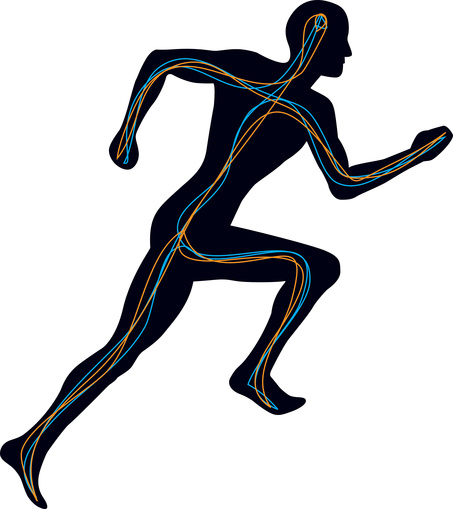
Here are 5 nervous system related issues that could be preventing YOU from activating the optimum number of muscle fibers each time you exercise:
There are five nervous system related issues that could be hindering your muscle strengthening and injury prevention efforts.
The brain communicates with every part of your body via nerves. This includes muscles, joints and various aspects of your skin. These nerves run to/from the brain, go down the spinal cord, and then branch off to each and every part of the body. If anything along this path is disrupted, the nervous system communication with the muscles, joints and skin is compromised. This means your muscles will not contract as efficiently as possible!
Here are 5 nervous system related issues that could be preventing YOU from activating the optimum number of muscle fibers each time you exercise:
- Reduced sensitivity of joint receptors. This can impair feedback from the "end-point"(muscles) to the brain.
- Muscles imbalances. This can result in POOR movement patterns.
- Insufficient rest periods. Not resting enough (or resting too much) between sets can adversely affect recovery.
- Poor coordination due to a lack of balance. This results in further muscle imbalances.
- Impaired circulation. Nerves have their own circulation too. If this circulation becomes limited, the communication between muscles and nerves is negatively impacted.
Wednesday, September 14, 2011
"I have never had a more positive experience with the entire facility than I experienced here"
I would just like to tell those of you who may be looking for a physical therapy provider, you need look no more. I have experienced several medical problems that needed to be treated with physical therapy. I have never had a more positive experience with the entire facility than I experienced here. The staff is eager to serve your needs and with a very positive attitude. Rose, at the front desk, has a delightful smile and a very warm and caring personality. My therapist, Laura, was without a doubt exceptional. I came to Assured for a bulging disc in my lower back. I had already had an epidural and needed help to regain core strength and to walk again without a cane. I am pleased to report that we accomplished both. I am very happy to be back at the park each morning walking my dog. We walk a mile or more on a regular basis and enjoy every moment.
Thanks to all of you at Assured for making it happen.
Peggy
Thanks to all of you at Assured for making it happen.
Peggy
Thursday, September 8, 2011
Tips for Reducing Back Pain, Doctor Spotlight and New COPD Treatment Recommendations
Does Back Pain Go Away On Its Own?
 Did you know that 80% of all individuals suffer from low back pain at some point in their lives? At times, the cause can be a specific injury. In other cases, the cause cannot be accurately determined. Low back pain is the second most common reason for a visit to the doctor's office (the first is upper respiratory tract infections).

 Unlike muscles and bone, the lower back is a complex part of the body that does NOT "heal" on its own. It is critical to identify the underlying cause (which is where we help you) so that you can get long lasting relief.
The persistence of low back pain was revealed in a study by Hestbaek and colleagues in 2003. The study revealed that back pain lasted longer than 30 days for over 33% of people who experienced low back pain. Also, very few people (9% to be exact) with low back pain remained pain free after 5 years.
This highlights the importance of an evaluation from a licensed physical therapist, which is exactly where we come in to help you. What If I Suffer From Long-Lasting Back Pain? 
Persistent, chronic pain is more than just an inconvenience. It can make daily activities painfully challenging and limit your ability to do the things you enjoy. You may find it difficult to play with your children and complete tasks at home or work. Pain can also confine you to staying indoors. It can substantially limit your social life.
That’s not all. Many individuals cut back on physical activity. This leads to muscle weakness, which causes more pain and weakness. This triggers a vicious cycle that grows worse with each passing day.
Your physical therapist can help you break this painful cycle! In most cases, we can help individuals with long-lasting back pain feel improvement shortly after starting physical therapy.
If your back pain is not resolving quickly, call us today.
Can I Prevent My Back Pain From Returning? Here are some tips from our physical therapists to keep your spine healthy and pain-free:
 Don’t neglect your low back, even if you are pain free. We can teach you several preventative exercises and conduct a postural evaluation to determine if you may be at risk for back pain.
What are you waiting for? Schedule an appointment with us today so we can show you how to protect your spine. It’s time to get you 'back' to pain-free living.
New guidelines for COPD diagnosis, management


Did you know that 80% of all individuals suffer from low back pain at some point in their lives? At times, the cause can be a specific injury. In other cases, the cause cannot be accurately determined. Low back pain is the second most common reason for a visit to the doctor's office (the first is upper respiratory tract infections). What Causes Low Back Pain?
The spine is a complex structure made up of bones, joints, ligaments and muscles. It can be injured in several ways. It’s possible to sprain ligaments, muscles or get a bulging or herniated disc. These are just some of the factors that can lead to low back pain. There can be times when the simplest movement (bending down to pick up a pencil from the floor, picking up your child) can lead to severe pain.Will My Back Heal Itself?
Unlike muscles and bone, the lower back is a complex part of the body that does NOT "heal" on its own. It is critical to identify the underlying cause (which is where we help you) so that you can get long lasting relief.The persistence of low back pain was revealed in a study by Hestbaek and colleagues in 2003. The study revealed that back pain lasted longer than 30 days for over 33% of people who experienced low back pain. Also, very few people (9% to be exact) with low back pain remained pain free after 5 years.
This highlights the importance of an evaluation from a licensed physical therapist, which is exactly where we come in to help you.
Persistent, chronic pain is more than just an inconvenience. It can make daily activities painfully challenging and limit your ability to do the things you enjoy. You may find it difficult to play with your children and complete tasks at home or work. Pain can also confine you to staying indoors. It can substantially limit your social life.
That’s not all. Many individuals cut back on physical activity. This leads to muscle weakness, which causes more pain and weakness. This triggers a vicious cycle that grows worse with each passing day.
Your physical therapist can help you break this painful cycle! In most cases, we can help individuals with long-lasting back pain feel improvement shortly after starting physical therapy.
If your back pain is not resolving quickly, call us today.
Can I Prevent My Back Pain From Returning? Here are some tips from our physical therapists to keep your spine healthy and pain-free:
 When lifting an object, bend at your knees, not your back. Be sure to squat with the correct technique to pick up an object. Keep your back straight and keep the object close to your body.
- Avoid twisting your body while lifting anything.
- When sitting, make sure your feet are flat on the floor and your back is straight.
- Avoid sitting for long periods of time. If you must, make sure to stand up and stretch frequently.
- The right footwear can protect your spine. Flats or low heels are safer than heels.
- Avoid sitting on the couch for too long, since it de-conditions the muscles surrounding your spine.
- Exercise regularly. Increasing muscle strength with the right exercises (which we can teach you) will minimize pain and injury.
Don’t neglect your low back, even if you are pain free. We can teach you several preventative exercises and conduct a postural evaluation to determine if you may be at risk for back pain.What are you waiting for? Schedule an appointment with us today so we can show you how to protect your spine. It’s time to get you 'back' to pain-free living.
New guidelines for COPD diagnosis, management
Publish date: Aug 19, 2011
The American College of Physicians (ACP), American College of Chest Physicians (ACCP), American Thoracic Society (ACT), and the European Respiratory Society (ERS) have issued updated recommendations to the 2007 ACP clinical practice guideline on diagnosis and management of stable chronic obstructive pulmonary disease (COPD). The new recommendations were published in Annals of Internal Medicine.
The updated guidelines, which are based on a targeted literature update from March 2007 to December 2009, are intended for clinicians who manage patients with COPD. The update addresses the value of history and physical examination for predicting airflow obstruction; the value of spirometry for screening or diagnosis of COPD; and COPD management strategies, specifically evaluation of various inhaled therapies (anticholinergics, long-acting beta-agonists, and corticosteroids), pulmonary rehabilitation programs, and supplemental oxygen therapy.
The updated clinical practice guidelines include the following recommendations:
1. ACP, ACCP, ATS, and ERS recommend that spirometry should be obtained to diagnose airflow obstruction in patients with respiratory symptoms.
ACP, ACCP, ATS, and ERS recommend that spirometry should not be used to screen for airflow obstruction in individuals without respiratory symptoms.
2. For stable COPD patients with respiratory symptoms and FEV1 (forced expiratory volume in 1 second) between 60% and 80% predicted, ACP, ACCP, ATS, and ERS suggest that treatment with inhaled bronchodilators may be used.
3. For stable COPD patients with respiratory symptoms and FEV1 less than 60% predicted, ACP, ACCP, ATS, and ERS recommend treatment with inhaled bronchodilators.
4. ACP, ACCP, ATS, and ERS recommend that clinicians prescribe monotherapy using either long-acting inhaled anticholinergics or long-acting inhaled beta agonists for symptomatic patients with COPD and FEV1 less than 60% predicted. Clinicians should base the choice of specific monotherapy on patient preference, cost, and adverse effect profile.
5. ACP, ACCP, ATS, and ERS suggest that clinicians may administer combination inhaled therapies (long acting inhaled anticholinergics, long-acting inhaled beta agonists, or inhaled corticosteroids) for symptomatic patients with stable COPD and FEV1 less than 60% predicted.
6. ACP, ACCP, ATS, and ERS recommend that clinicians should prescribe pulmonary rehabilitation for symptomatic patients with an FEV1 less than 50% predicted. Clinicians may consider pulmonary rehabilitation for symptomatic or exercise-limited patients with an FEV1 greater than 50% predicted.
7. ACP, ACCP, ATS, and ERS recommend that clinicians should prescribe continuous oxygen therapy in patients with COPD who have severe resting hypoxemia.
ACP, ACCP, ATS, and ERS recommend that spirometry should not be used to screen for airflow obstruction in individuals without respiratory symptoms.
2. For stable COPD patients with respiratory symptoms and FEV1 (forced expiratory volume in 1 second) between 60% and 80% predicted, ACP, ACCP, ATS, and ERS suggest that treatment with inhaled bronchodilators may be used.
3. For stable COPD patients with respiratory symptoms and FEV1 less than 60% predicted, ACP, ACCP, ATS, and ERS recommend treatment with inhaled bronchodilators.
4. ACP, ACCP, ATS, and ERS recommend that clinicians prescribe monotherapy using either long-acting inhaled anticholinergics or long-acting inhaled beta agonists for symptomatic patients with COPD and FEV1 less than 60% predicted. Clinicians should base the choice of specific monotherapy on patient preference, cost, and adverse effect profile.
5. ACP, ACCP, ATS, and ERS suggest that clinicians may administer combination inhaled therapies (long acting inhaled anticholinergics, long-acting inhaled beta agonists, or inhaled corticosteroids) for symptomatic patients with stable COPD and FEV1 less than 60% predicted.
6. ACP, ACCP, ATS, and ERS recommend that clinicians should prescribe pulmonary rehabilitation for symptomatic patients with an FEV1 less than 50% predicted. Clinicians may consider pulmonary rehabilitation for symptomatic or exercise-limited patients with an FEV1 greater than 50% predicted.
7. ACP, ACCP, ATS, and ERS recommend that clinicians should prescribe continuous oxygen therapy in patients with COPD who have severe resting hypoxemia.
“This clinical practice guideline aims to help clinicians to diagnose and manage stable COPD, prevent and treat exacerbations, reduce hospitalizations and deaths, and improve the quality of life of patients with COPD,” said lead author Amir Qaseem, MD, FACP, PhD, director of clinical policy, ACIP, in a press release. “It is important for patients with COPD to stop smoking and for physicians to help their patients to quit smoking.”
Source: ModernMedicine.com
Doctor Spotlight - Joel Brook, DPM - Dallas Podiatry Works - Plano and Dallas
Dr. Brook earned his bachelor's degree in Biology from Vassar College in 1983. In 1984, he graduated from Columbia University with his master's in Human Nutrition and went on to earn a doctorate in Podiatric Medicine from Temple University College of Podiatric Medicine in 1995.
Dr. Brook's hospital affiliations include:
- Medical City of Dallas
- Baylor Regional Medical Center of Plano
- North Central Surgery Center
Dr. Brook is a Diplomat of the American Board of Podiatric Surgery, and is board certified in both Foot Surgery and Reconstructive Rearfoot and Ankle Surgery. He was chief resident in the Department of Surgery, Division of Podiatric Surgery, at Mount Sinai Medical Center in Cleveland, Ohio. Dr. Brook is also a member of the American College of Foot and Ankle Surgeons, American Podiatric Medical Association, Texas Podiatric Medical Association and American Diabetes Association.
An avid lecturer to both the medical and lay community, Dr. Brook has lectured on topics including The Pediatric Flatfoot, Pediatric Foot Pain, Charcot Arthropathy, The Spectrum of Heel Pain, Evaluation of the Diabetic Foot, Management of Puncture Wounds and A Woman's Guide to Painful Feet and Bunion Surgery. Dr. Brook has conducted extensive research and published 10 articles in several prominent clinical journals. He has received many honors and awards for his work.
Dr. Brook has served on the infection control, ethics and executive committee of the ambulatory surgery center at Medical City, and was chairman of the Podiatric Surgery section at Medical City Dallas Hospital from 2001-2007. Dr. Brook was votedBest Doctor in D Magazine again.
Dr. Brook is married with three children, is active in community affairs, enjoys skiing, biking and is an avid woodworker.
If you are a physician or practitioner and would like to learn more about being featured in this newsletter, contact us at info@assuredrehab.com
Tuesday, August 30, 2011
ACP Pressroom - Four Physician Organizations Issue New Clinical Recommendations for Diagnosing and Treating COPD
ACP Pressroom - Four Physician Organizations Issue New Clinical Recommendations for Diagnosing and Treating COPD
New clinical recommendations reaffirm the importance of Pulmonary Rehab for patients with COPD. If you or someone you know has COPD, visit our website to find out more about our Pulmonary Rehab Program at Assured Comprehensive Rehab in Plano, TX. www.assuredrehab.com
Tuesday, August 23, 2011
6 Steps To Backback Safety For Kids
| As children head back to school in September, a disturbing new trend is emerging. Young children are suffering from back pain much sooner than generations before them. A major contributing factor seems to be a heavy backpack. Most parents (and children) are unaware of the potential injury that heavy backpacks can cause. A recent news release by the American Physical Therapy Association in April 2009 revealed that more than 50 percent of children surveyed carry backpacks that are too heavy. If a backpack is stuffed with heavy books and/or worn incorrectly, the bio-mechanical pressure on the spine increases dramatically. As a result, your child may lean forward to compensate. This can cause shoulder, neck, or back pain.  To help your child’s back, here’s what you can do:
| |
Wednesday, August 17, 2011
The Top 5 Reasons to Exercise
You know that exercise is important and has several health benefits. However, there are hidden benefits of exercise that you may not be aware of. Here are the top 5 reasons to exercise:
Reason #1: To Reduce Pain
Individualized, regular exercise (the kind prescribed by your physical therapist) is a great way to reduce pain. For example, strengthening your core can decrease persistent low back pain and protect against future injury. It's amazing how many people who seem resigned to a life of chronic pain start to find relief after starting an exercise program provided by one of our experienced physical therapists. If you are not sure where to begin, we will be happy to assist you in the creation of a safe, effective exercise plan.
Reason #2: To Increase Muscle Tissue
Increased strength allows you to complete your day to day tasks with ease. Imagine if simple things like walking, going up the stairs, picking up groceries, or playing with your children became easier and more enjoyable. What would that do for you?
A well-designed, progressive exercise plan helps tone your muscles.
Reason #3: To Drop Pounds of Fat
The best benefit of exercise is fat loss. It is no secret that a combination of exercise and a balanced meal plan is the best known way to lose fat. Here's what fat loss can do for you:
Your clothes fit better
People around you begin to compliment you on your new appearance
When you look in the mirror, you look several years younger
Your energy levels soar
You feel great!
Reason #4: To Control Blood Sugar
Regular exercise helps stabilize blood sugar levels. If you or someone you know has type 2 diabetes (or is at risk for type 2 diabetes) exercise will help your body to better utilize sugar since exercise positively impacts insulin sensitivity. A combination of weight loss and improved blood glucose control has several health benefits. You should consult your doctor before you begin any exercise with the intention to control your blood sugar.
Reason #5: To Lower Blood Pressure and Cholesterol Levels
Exercise helps your heart in 2 ways:
Weak heart muscles pump a relatively small amount of blood with each beat. Essentially, your heart is putting in a lot of effort with every beat. By exercising, you strengthen your heart muscles so they pump more blood with less effort; this decreases the pressure on your arteries.
Exercise increases HDL (the "good" cholesterol) levels in some people. This decreases your risk for heart disease. Other heart disease risk factors such as weight, diabetes, and high blood pressure also improve with regular exercise. You may want to speak with your doctor about your salt intake as well.
Reason #1: To Reduce Pain
Individualized, regular exercise (the kind prescribed by your physical therapist) is a great way to reduce pain. For example, strengthening your core can decrease persistent low back pain and protect against future injury. It's amazing how many people who seem resigned to a life of chronic pain start to find relief after starting an exercise program provided by one of our experienced physical therapists. If you are not sure where to begin, we will be happy to assist you in the creation of a safe, effective exercise plan.
Reason #2: To Increase Muscle Tissue
Increased strength allows you to complete your day to day tasks with ease. Imagine if simple things like walking, going up the stairs, picking up groceries, or playing with your children became easier and more enjoyable. What would that do for you?
A well-designed, progressive exercise plan helps tone your muscles.
Reason #3: To Drop Pounds of Fat
The best benefit of exercise is fat loss. It is no secret that a combination of exercise and a balanced meal plan is the best known way to lose fat. Here's what fat loss can do for you:
Your clothes fit better
People around you begin to compliment you on your new appearance
When you look in the mirror, you look several years younger
Your energy levels soar
You feel great!
Reason #4: To Control Blood Sugar
Regular exercise helps stabilize blood sugar levels. If you or someone you know has type 2 diabetes (or is at risk for type 2 diabetes) exercise will help your body to better utilize sugar since exercise positively impacts insulin sensitivity. A combination of weight loss and improved blood glucose control has several health benefits. You should consult your doctor before you begin any exercise with the intention to control your blood sugar.
Reason #5: To Lower Blood Pressure and Cholesterol Levels
Exercise helps your heart in 2 ways:
Weak heart muscles pump a relatively small amount of blood with each beat. Essentially, your heart is putting in a lot of effort with every beat. By exercising, you strengthen your heart muscles so they pump more blood with less effort; this decreases the pressure on your arteries.
Exercise increases HDL (the "good" cholesterol) levels in some people. This decreases your risk for heart disease. Other heart disease risk factors such as weight, diabetes, and high blood pressure also improve with regular exercise. You may want to speak with your doctor about your salt intake as well.
Monday, August 15, 2011
What is Pulmonary Rehab?
Goals of a Pulmonary Rehabilitation Program
Benefits of Pulmonary RehabilitationThe benefits of pulmonary rehabilitation have been studied extensively. They include:
Techniques Learned Through Pulmonary RehabilitationOur pulmonary rehab program is on an outpatient basis and normally run two to three times a week for eight to twelve weeks. Team members may include physical therapists, respiratory therapists, social workers, and physicians. |
Subscribe to:
Posts (Atom)